
Lessons Wildlife Has Taught Me About Slowing Down
At first, when you get into watching wildlife or wildlife photography, you may feel the urge to rush around and try to see everything possible. That was certainly the case for me—I wanted to walk quickly around places like WWT Slimbridge, spending less time in some spots and more in others. This would really annoy my brother, who isn’t interested in getting the perfect photo; for him, simply seeing the wonders of wildlife is enough. He prefers wandering around reserves and just sitting, observing what’s happening both near and far.
Over the times we’ve spent out and about together, I’ve realised that you’re more likely to have a better experience by just watching and seeing what’s around—being in each hide for an hour or two, just taking it all in.
When I started focusing on watching wildlife and being present in the moment, I set goals for myself. For example, I’d aim to spend a couple of hours in one hide to see what happened. This wasn’t easy for me at first, as I wanted to see what was going on around the whole lake.
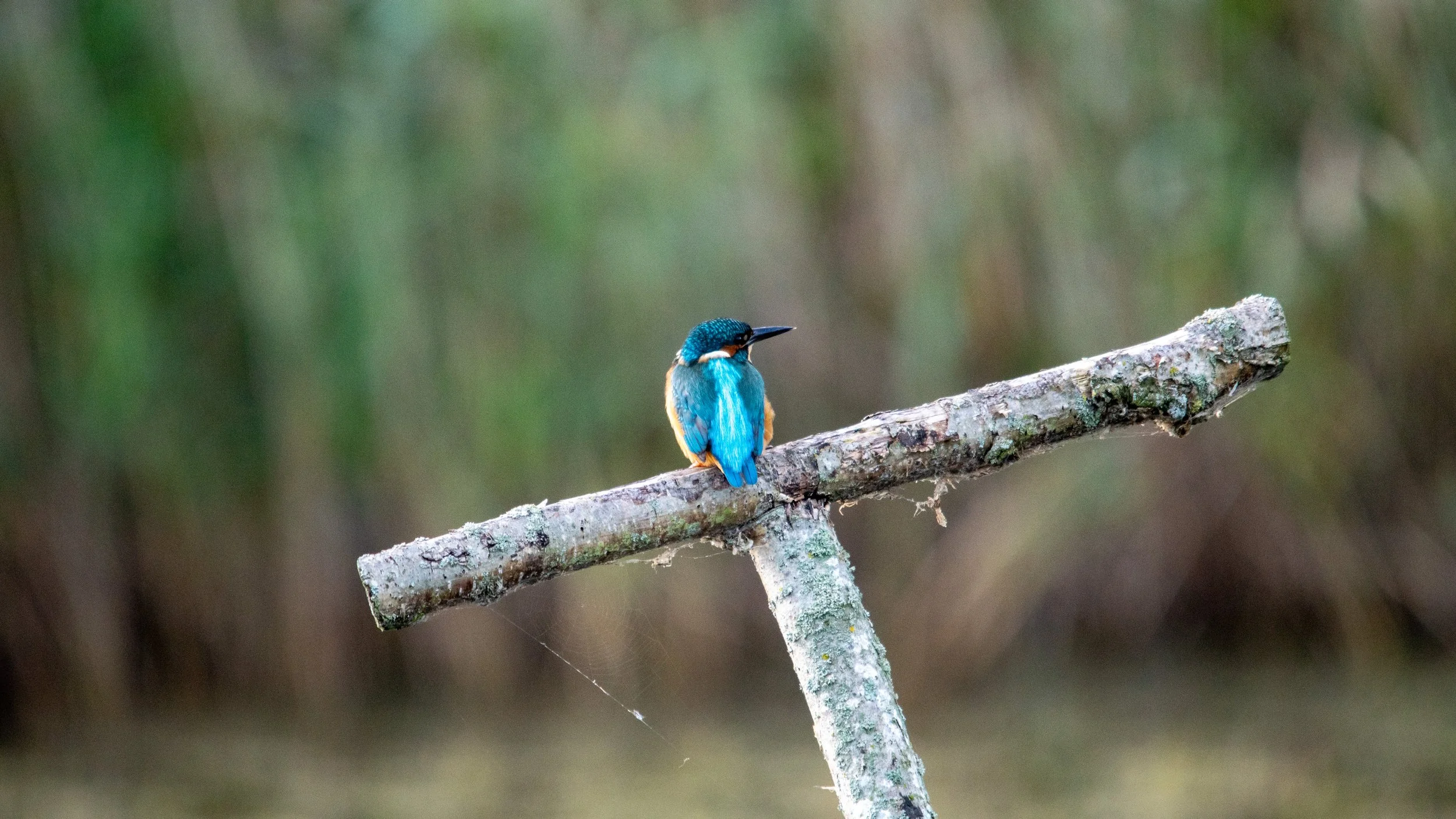
On my second attempt, I heard from people in the hide that a kingfisher had been spotted earlier that day. This was one bird I was keen to photograph, so that became my mission: spend time in the hide and get a photo I was happy with. As time went on, people came and left, and eventually I was on my own. Just as I was thinking it wasn’t going to be my day, I heard a high-pitched sound that could only have been the kingfisher. I managed to get a photo I was proud of at the time. It wasn’t the best photograph, but I was thrilled to have captured it.
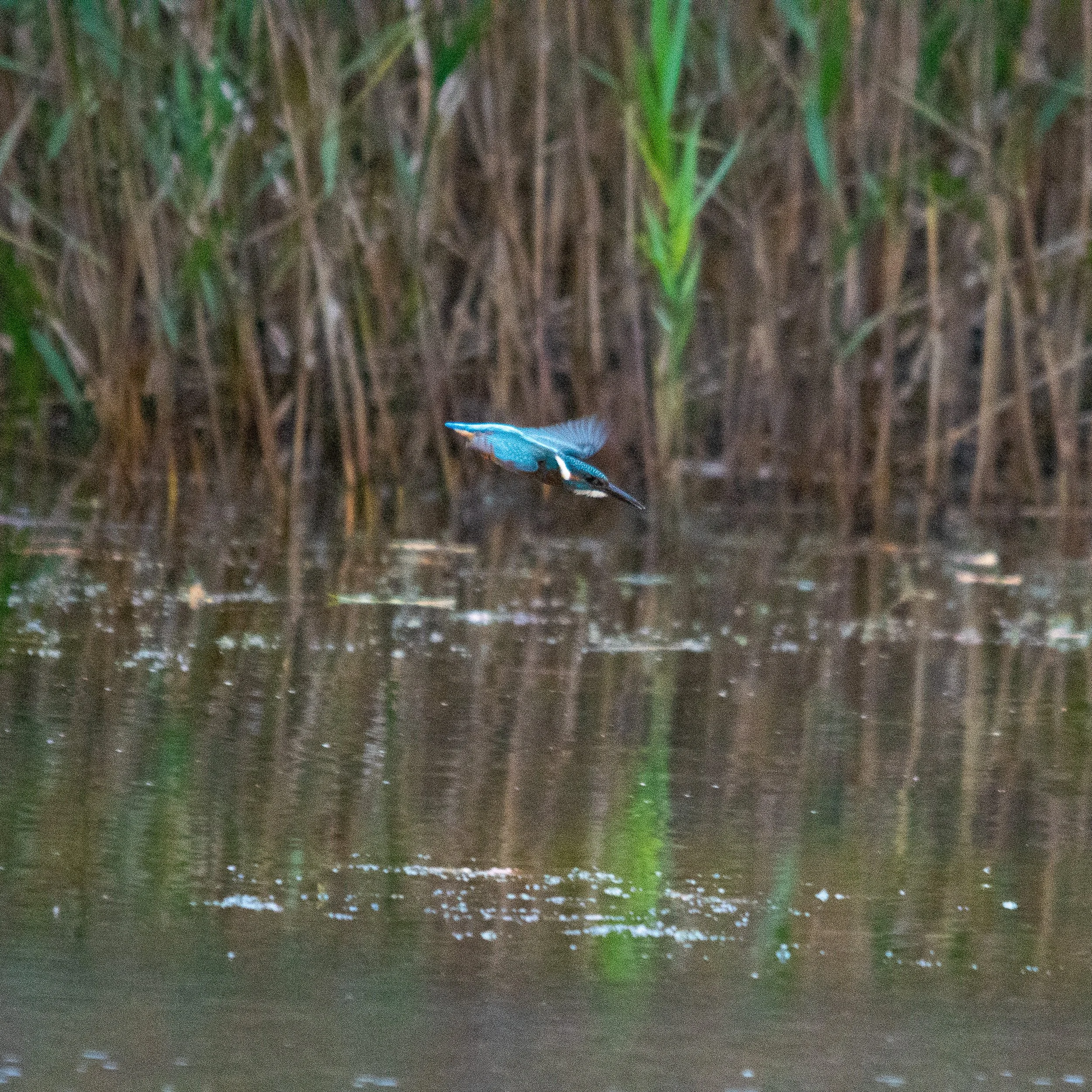
As the year went on, I visited that same lake 16 times, aiming to beat that photo—trying for a diving shot and improving my knowledge about these beautiful birds.
With time moving quickly and winter approaching, I realised the kingfishers could leave at any time as the cold set in. I was working in education at the time, and during the October half-term, I set myself my biggest challenge yet: to stay in one hide for at least six hours to capture the kingfisher. I arrived at the hide around 7 a.m., set myself up for the day with a thermos of hot tea, food in my backpack, and my tripod positioned where I hoped the kingfisher would land. As the hours passed, nothing happened.
Then, suddenly, I spotted the back of a kingfisher on a distant tree. Adrenaline rushed through me, but I needed to stay calm and quiet, hoping the kingfisher would come to the perches I’d set up.
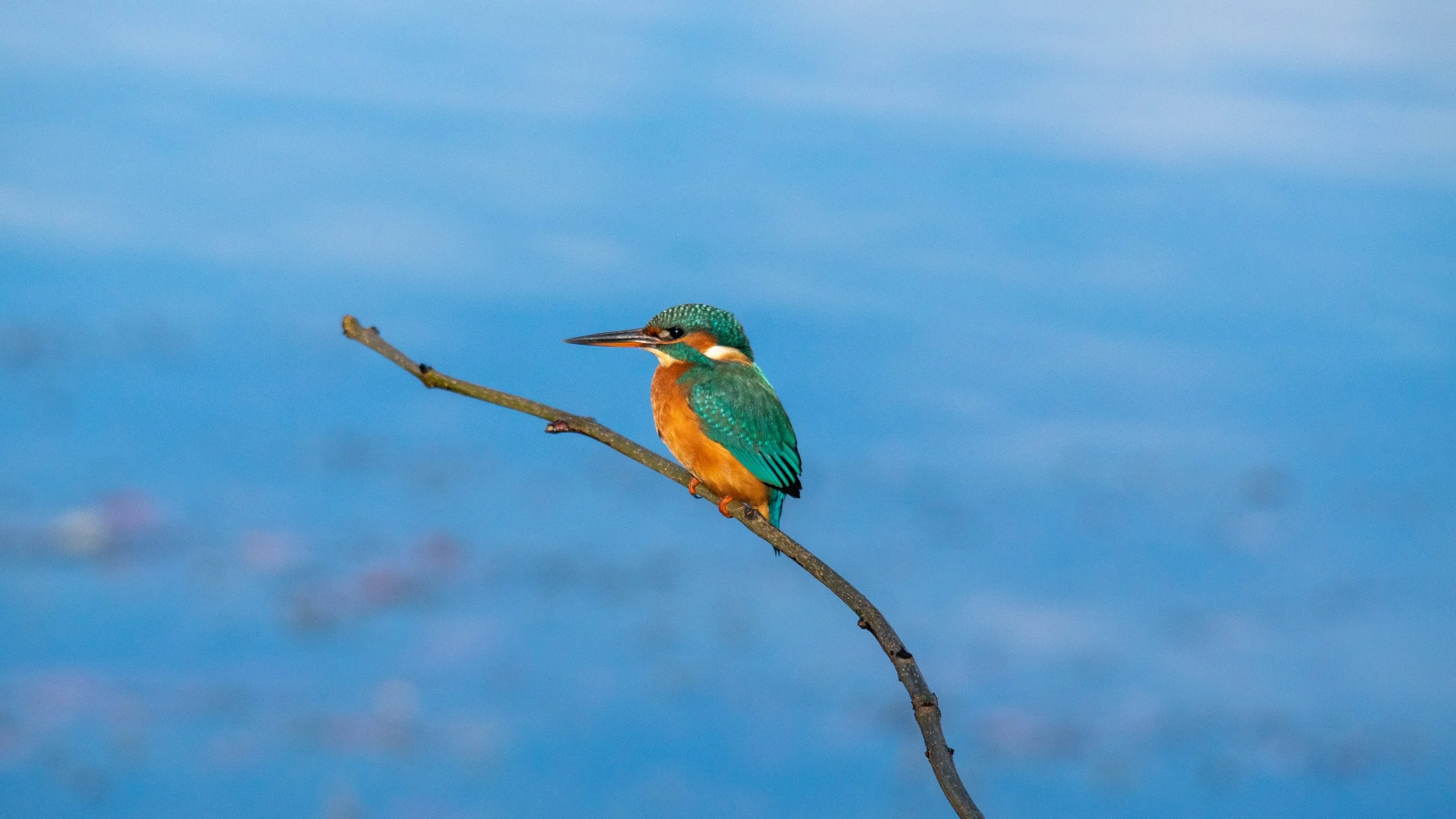
Before I knew it, about ten feet in front of the hide, the kingfisher landed perfectly on the perch where my camera was focused. The sunlight perfectly illuminated the bird’s beautiful colours. In the ten to fifteen minutes, she was in front of me, I must have taken about 150–200 photos of this female kingfisher.
During this time, she made dive after dive into the clear water below, sometimes catching fish, sometimes not. I subconsciously decided to try for that diving shot again, as I was closer this time.
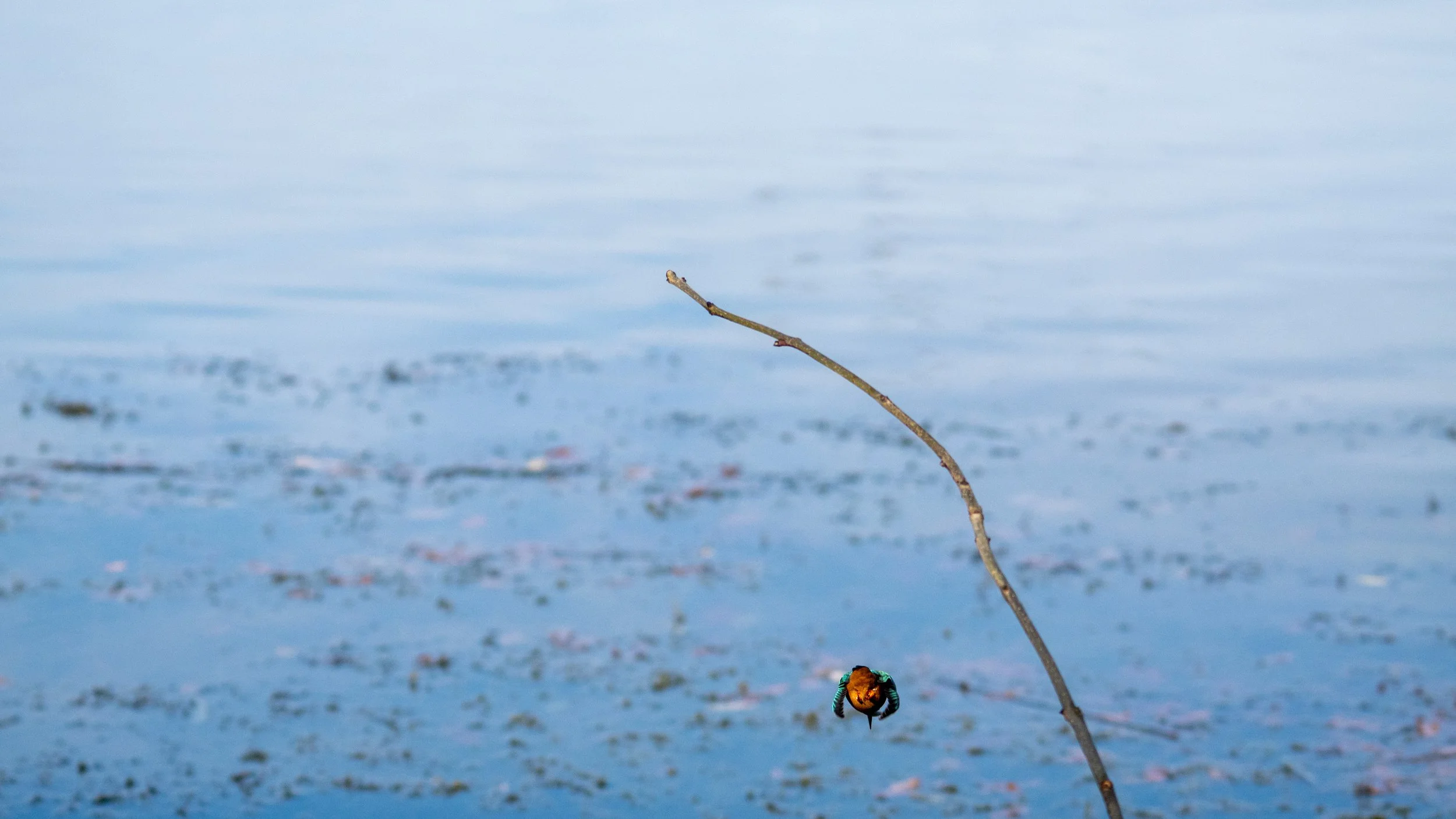
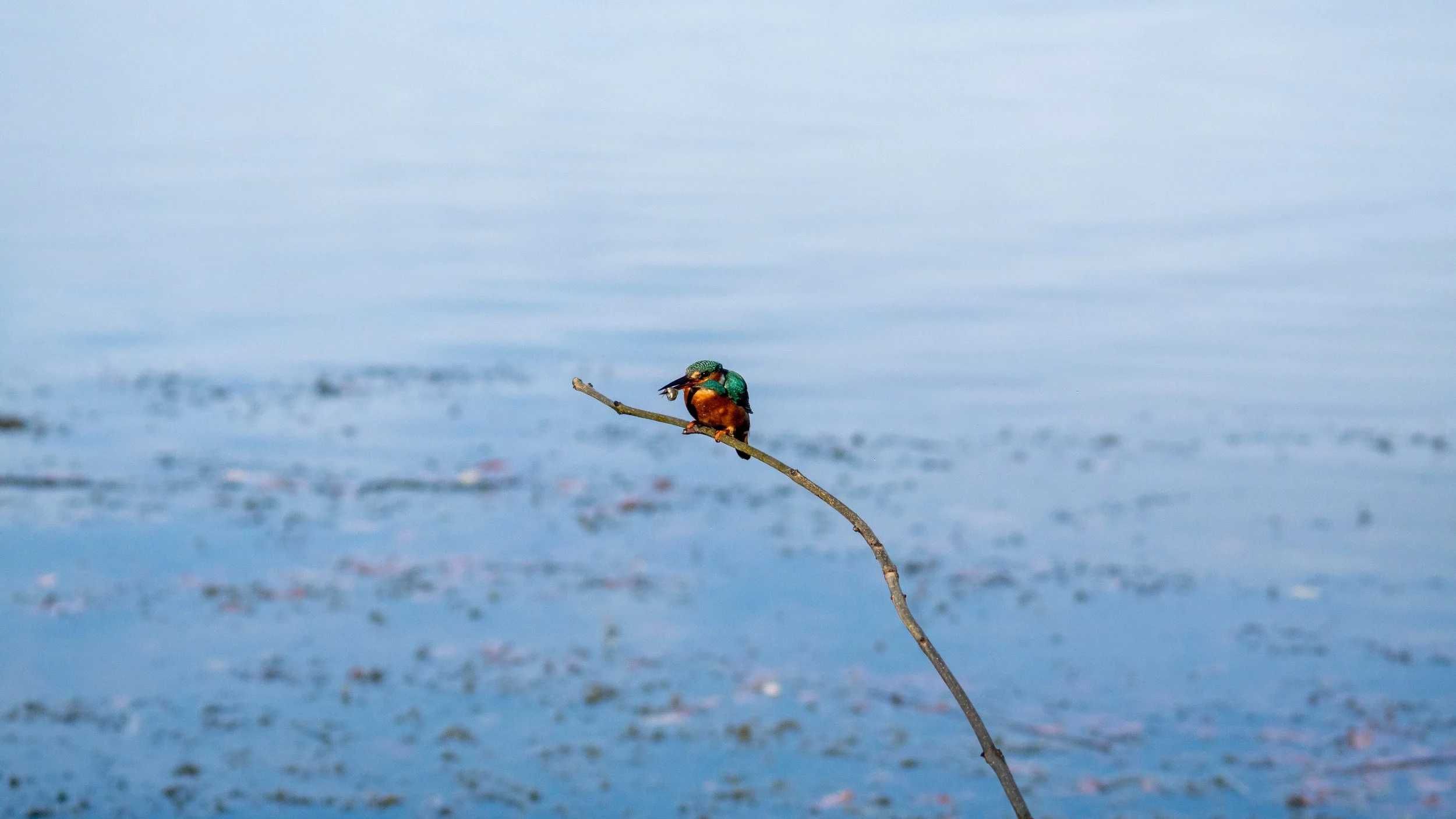
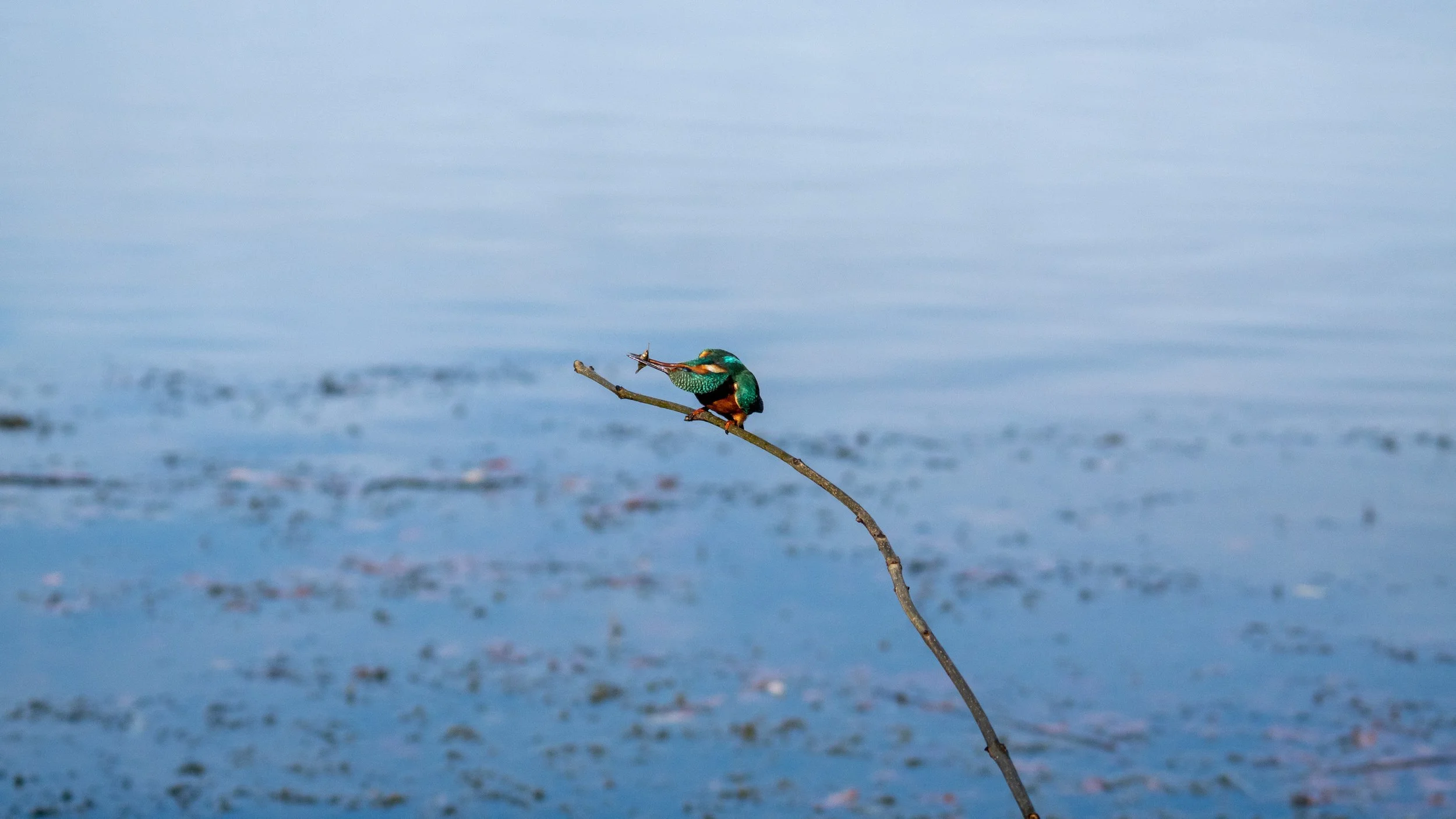
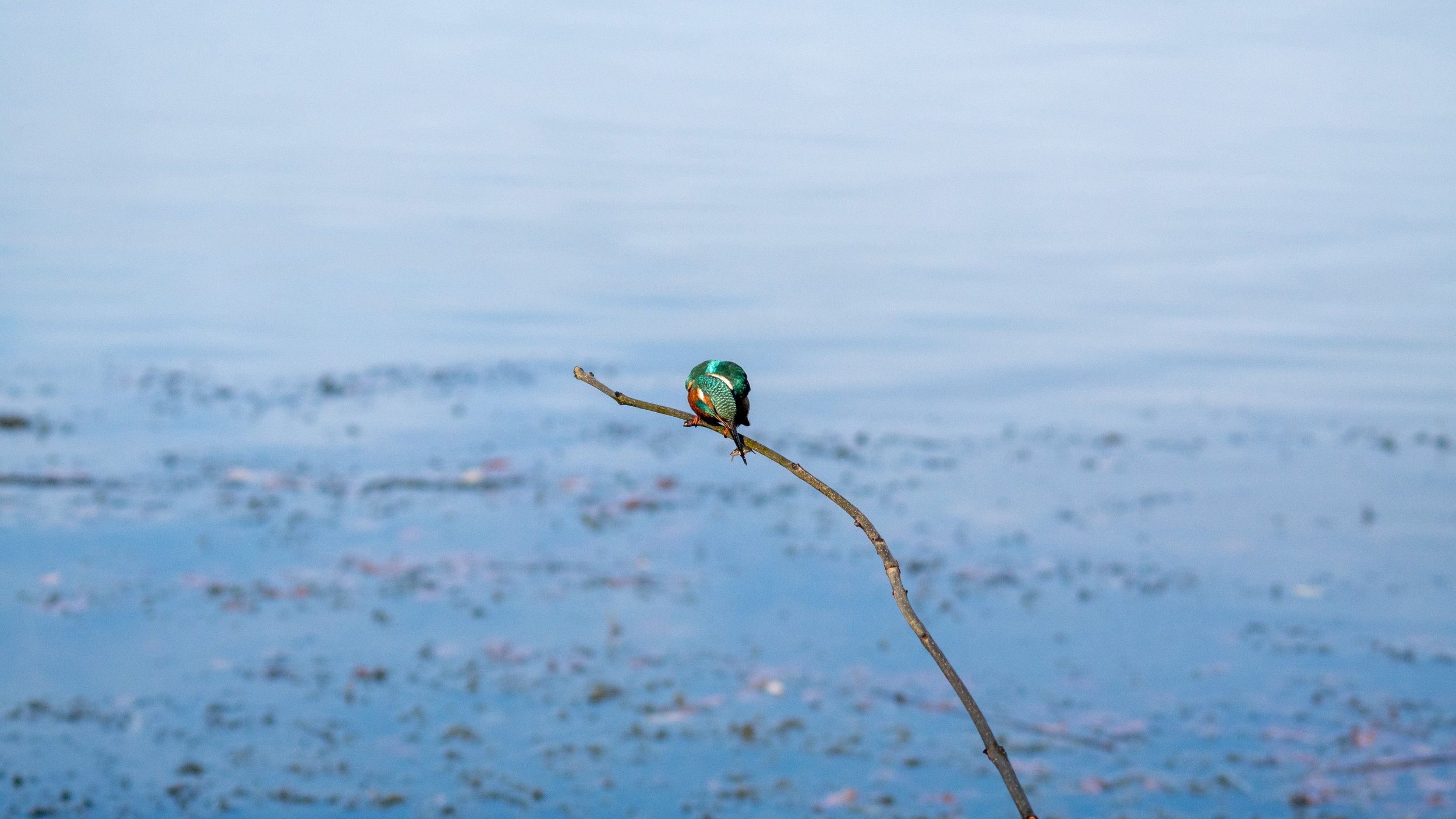
Just before leaving, she relieved herself before heading to the next perch for more food—a funny way to end her visit!
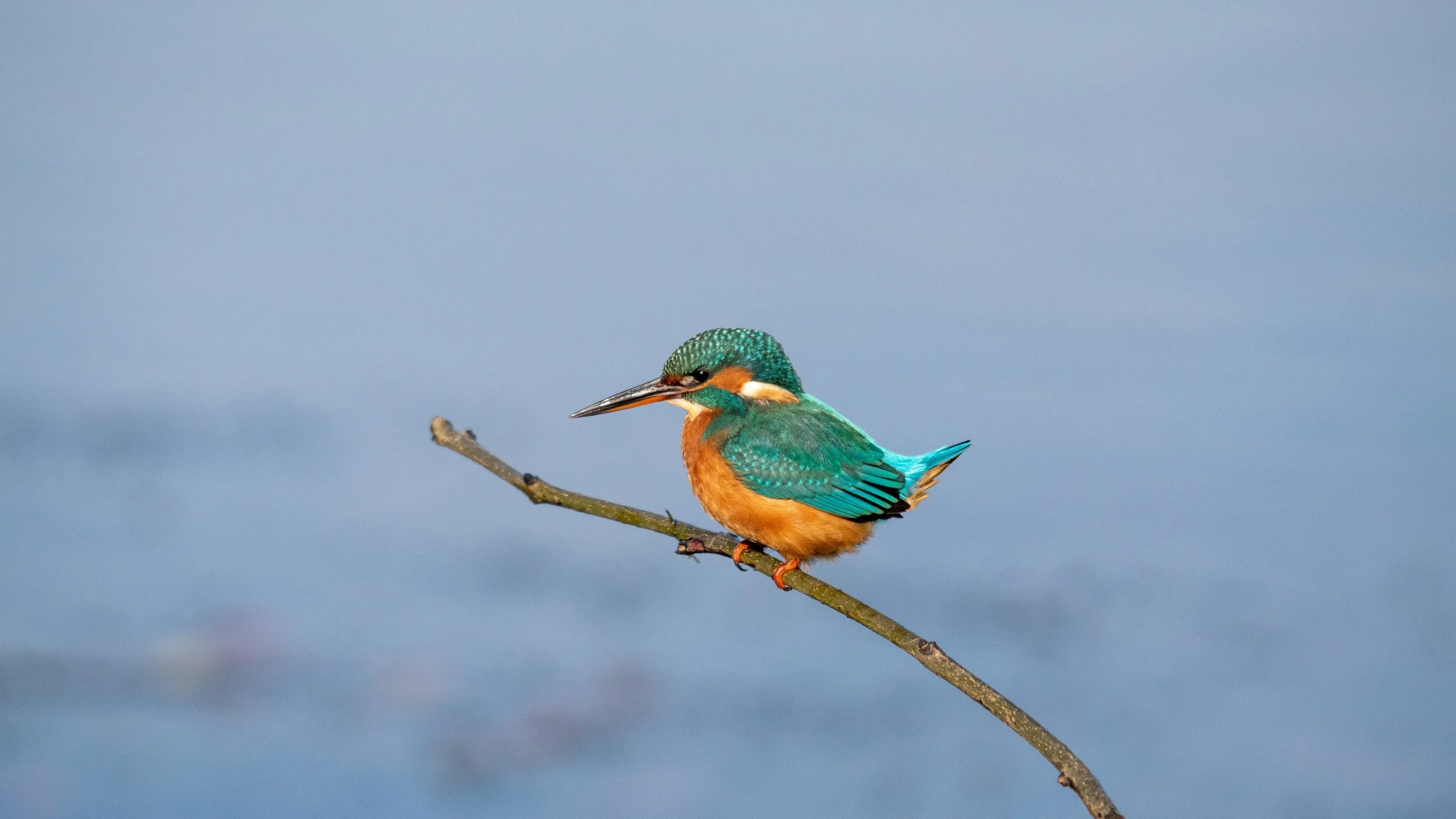
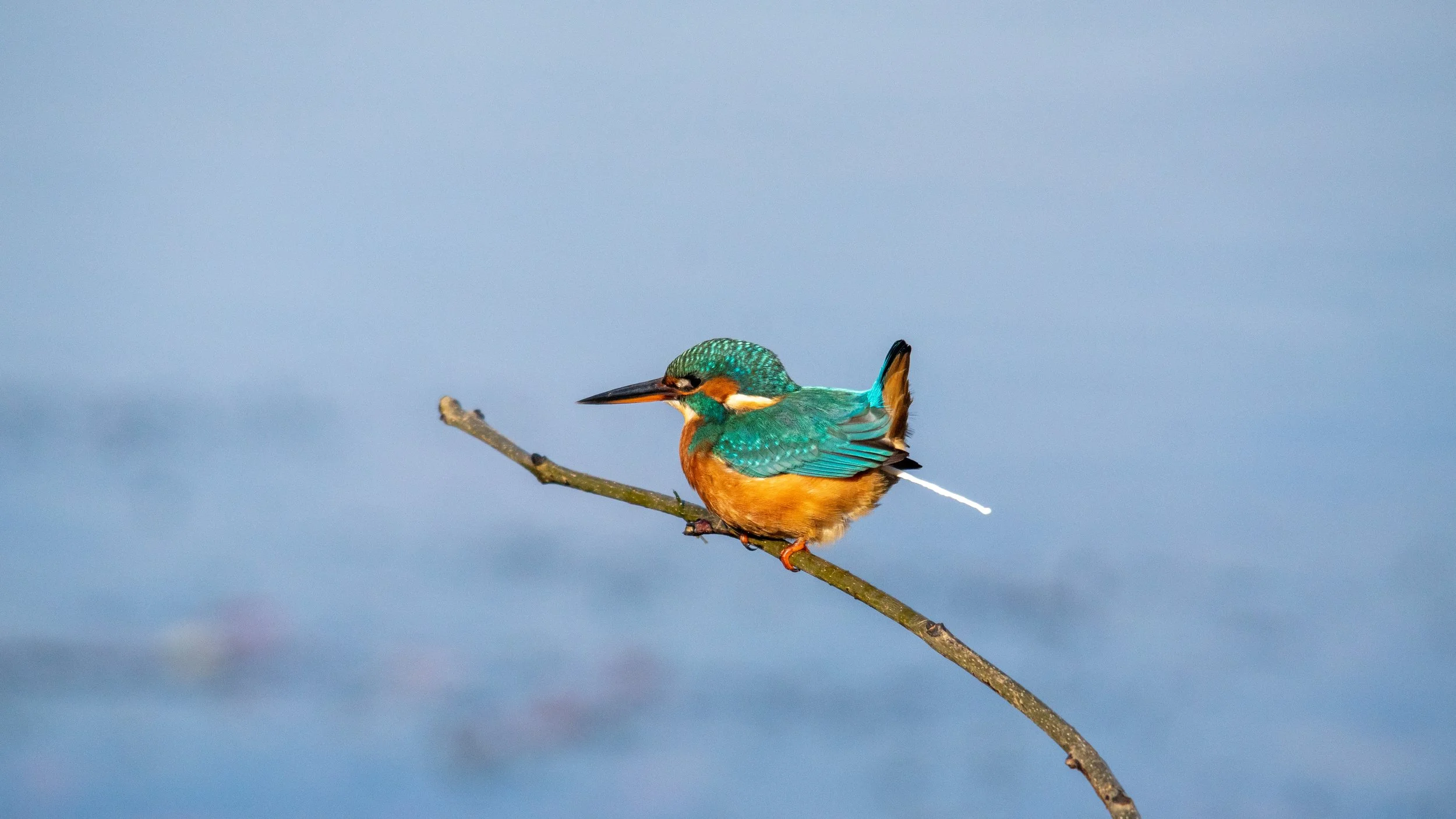
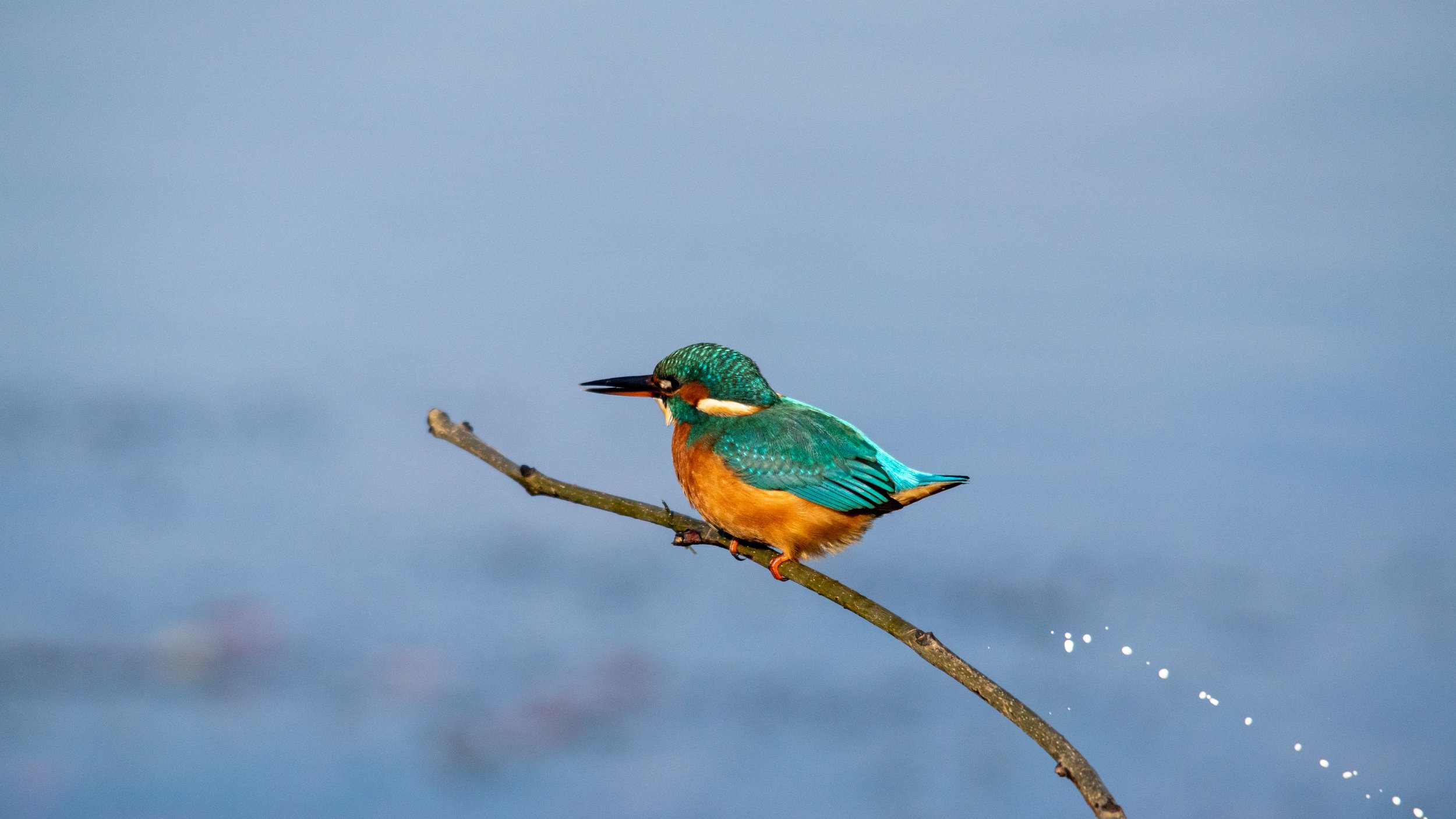
I was full of excitement as I looked at the photos I’d just captured, grinning from ear to ear. I remember thinking, “This day was 100% worth getting up early for. Even if nothing else happened, it would have been a great day!”
As the six hours came to an end, only one person had come into the hide the entire time. While packing up, I happened to look up at the still water of the lake I’d been watching all day and saw air bubbles rising to the surface. I thought, “Ah, it’s a cormorant.”
Well, I was so wrong!
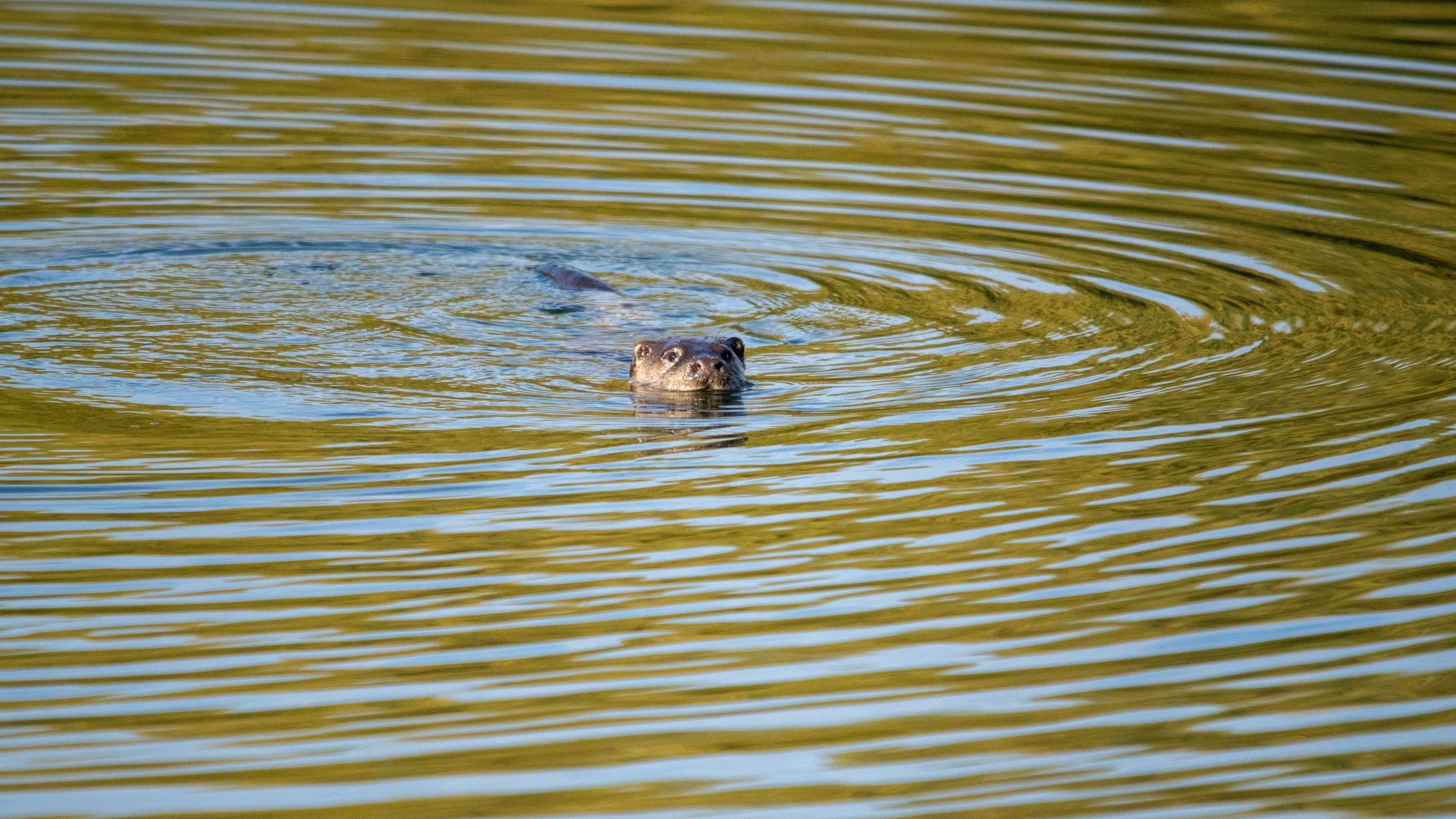
Suddenly, an otter surfaced! I grabbed my camera as quickly and quietly as I could and managed to get the otter in frame, holding down the shutter button. I only got a few shots before it disappeared as quickly as it had appeared.
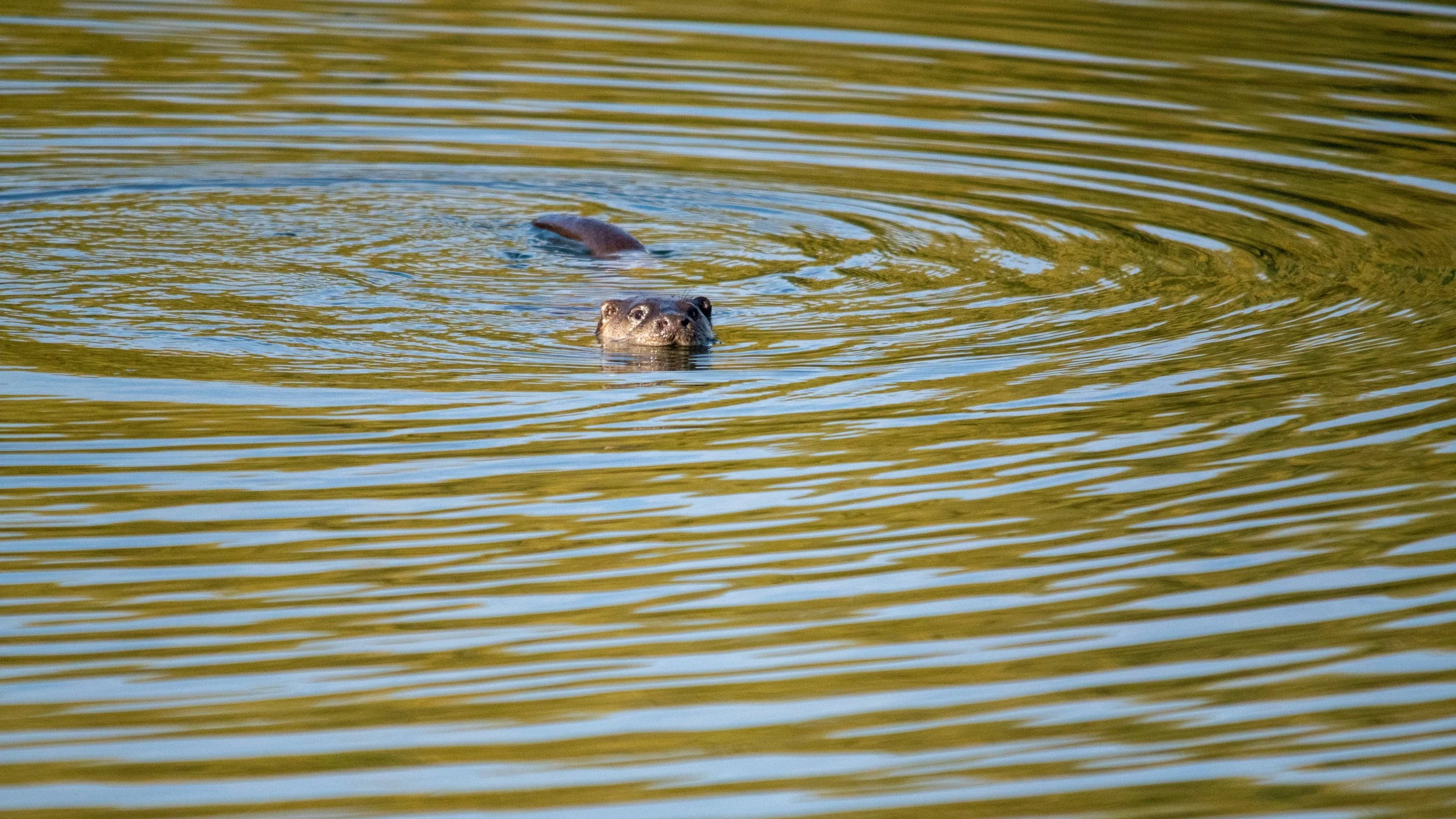
The lessons I’ve learned this year: while I still sometimes walk quickly around a nature reserve, I now know that waiting is not wasted time. The best moments with wildlife often come after long periods of nothing happening.
Also, while you’re waiting, remember that silence is a skill! If we make noise while watching animals, they’ll just leave. While modern life is loud, wildlife and nature thrive in quiet. When we’re silent, the calls of the wild become even more noticeable—whether it’s leaves rustling in the wind or the wingbeats of birds flying close by.
Another thing I’ve learned: the moments we spend with wildlife—sometimes after hours of travel—are precious. Often, the animals are simply living in the moment or for the day. It’s important to enjoy every moment we spend with the wildlife we seek out.
So, I encourage you to set yourself achievable goals, try to be silent while you’re out and about, and remember: waiting is not wasted time! You never know what’s going to happen next.
